
For families with young children
Cooking together, from garden to table.
When children cook beside you, they wash, measure, stir and taste. They count and compare, learn new words, handle tools with care and help feed their family. Along the way, unfamiliar foods become familiar ones, and food becomes something to enjoy and share. Children who cook, eat.
Seasonal recipes, practical guides and ideas for the family table, for children ages two to eight.
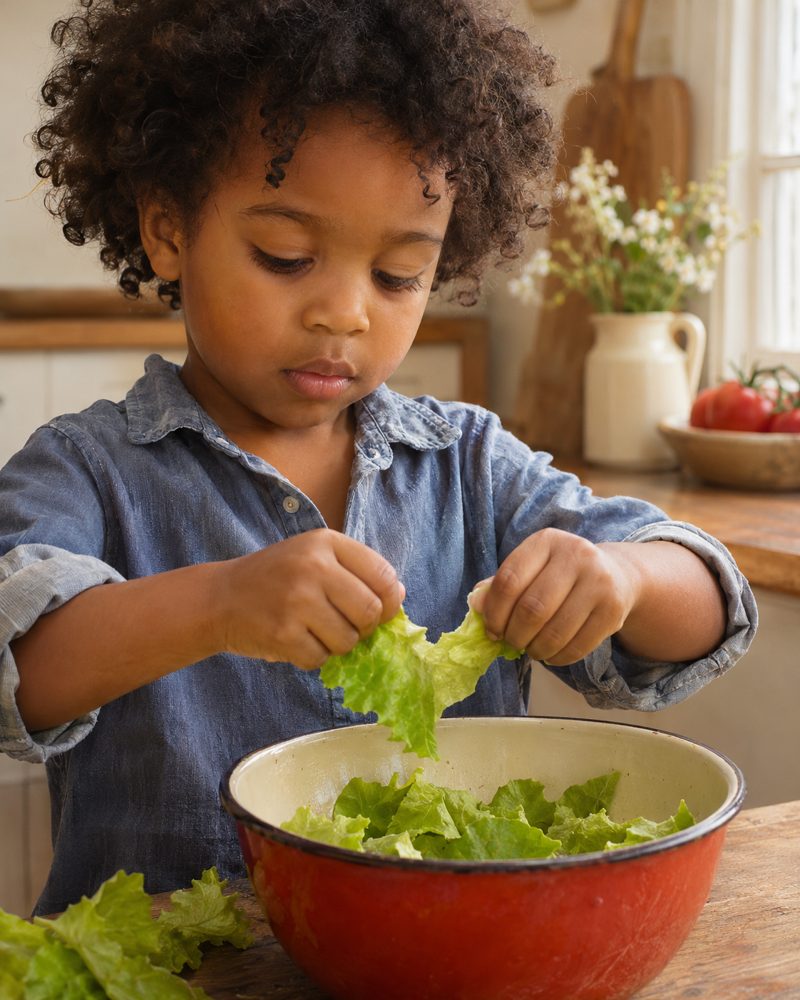
What children gain in the kitchen
- Measuring and counting (early math) Cups, spoons, halves and how many more.
- Watching food change (early science) Dough rises, apples soften, cream turns to butter.
- Words for what they notice (language) Crunchy, tangy, earthy, smooth and sour.
- Hands that grow skilled (fine motor development) Scrubbing, tearing, pouring, spreading and cutting.
- Doing it myself (independence) A job of their own, from start to clean up.
- A place at the table (belonging) Food made for the people they love, and family recipes passed along.
- Meeting new foods again and again (repeated exposure) Each time in the kitchen is another chance to look, smell and taste.
- Where food comes from (food literacy) Seasons, farms, markets and gardens.
- Trusting their own body (hunger and fullness cues) Deciding how much, stopping when full, and enjoying food without guilt.
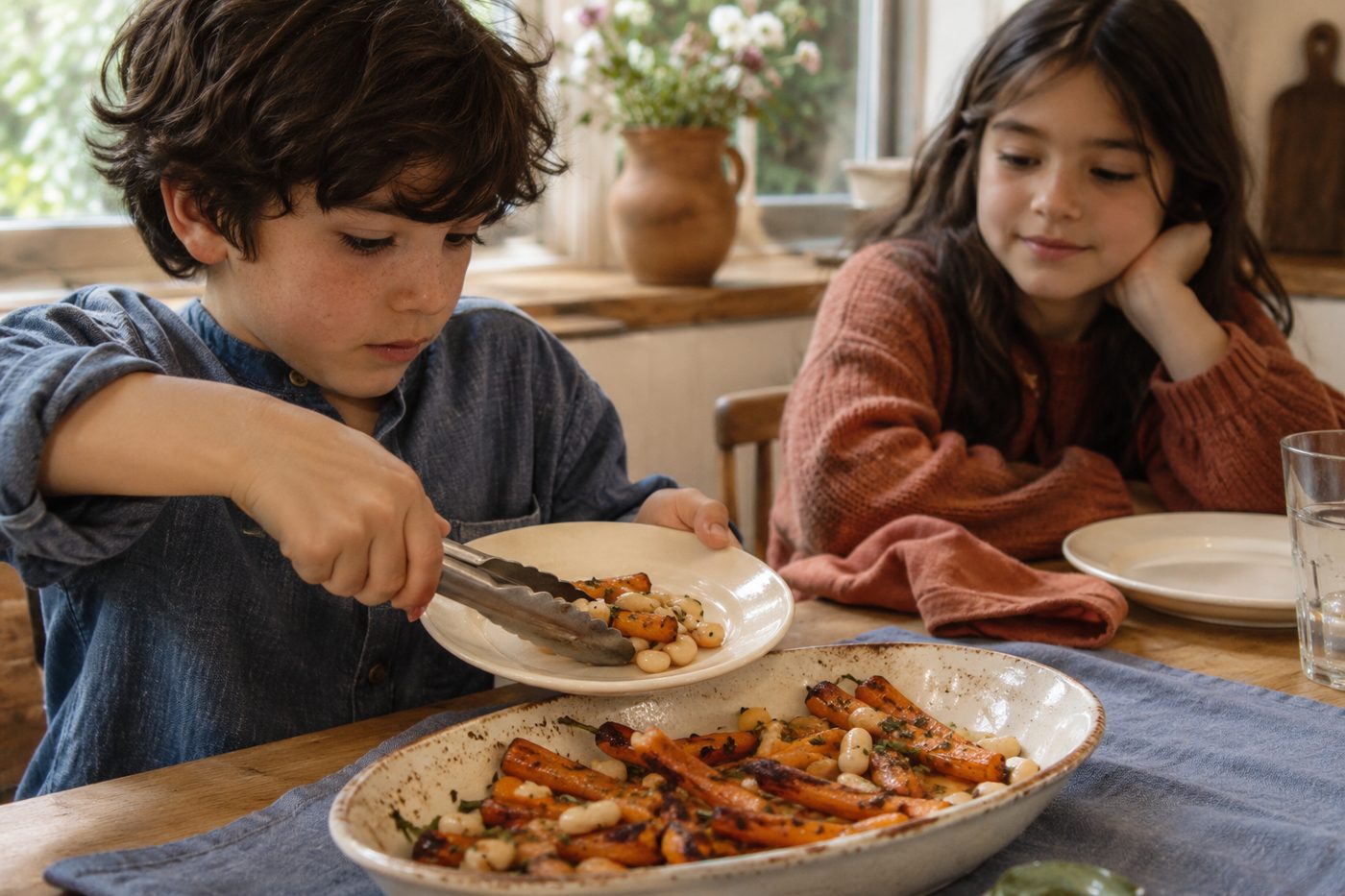
Learn, cook and gather
Learn
How cooking together builds a happy relationship with food, and what helps a cautious eater. Short guides grounded in research and years of cooking with children.
Cook
Recipes written for small hands, with the jobs a child can take on at two, at four and at six.
Gather
Recipe cards to print, questions for the table, and where our food comes from.
Trying new foods
What helps a child try new foods
Many young children are cautious with foods they have not met before (food neophobia). It is a common part of growing up, and it softens with time and experience.
- Offer a new food many times. A food turned away today may be tasted next month (repeated exposure).
- Meet food with every sense first. Looking, touching and smelling are steps toward tasting.
- Eat together, and eat the same food. Children watch the adults and children around them (modeling).
- Keep pressure off the plate. Pushing a child to take a bite tends to make new foods harder to accept (pressure to eat).
- Let children serve themselves. Passing bowls and choosing how much gives children a say (family style meals).
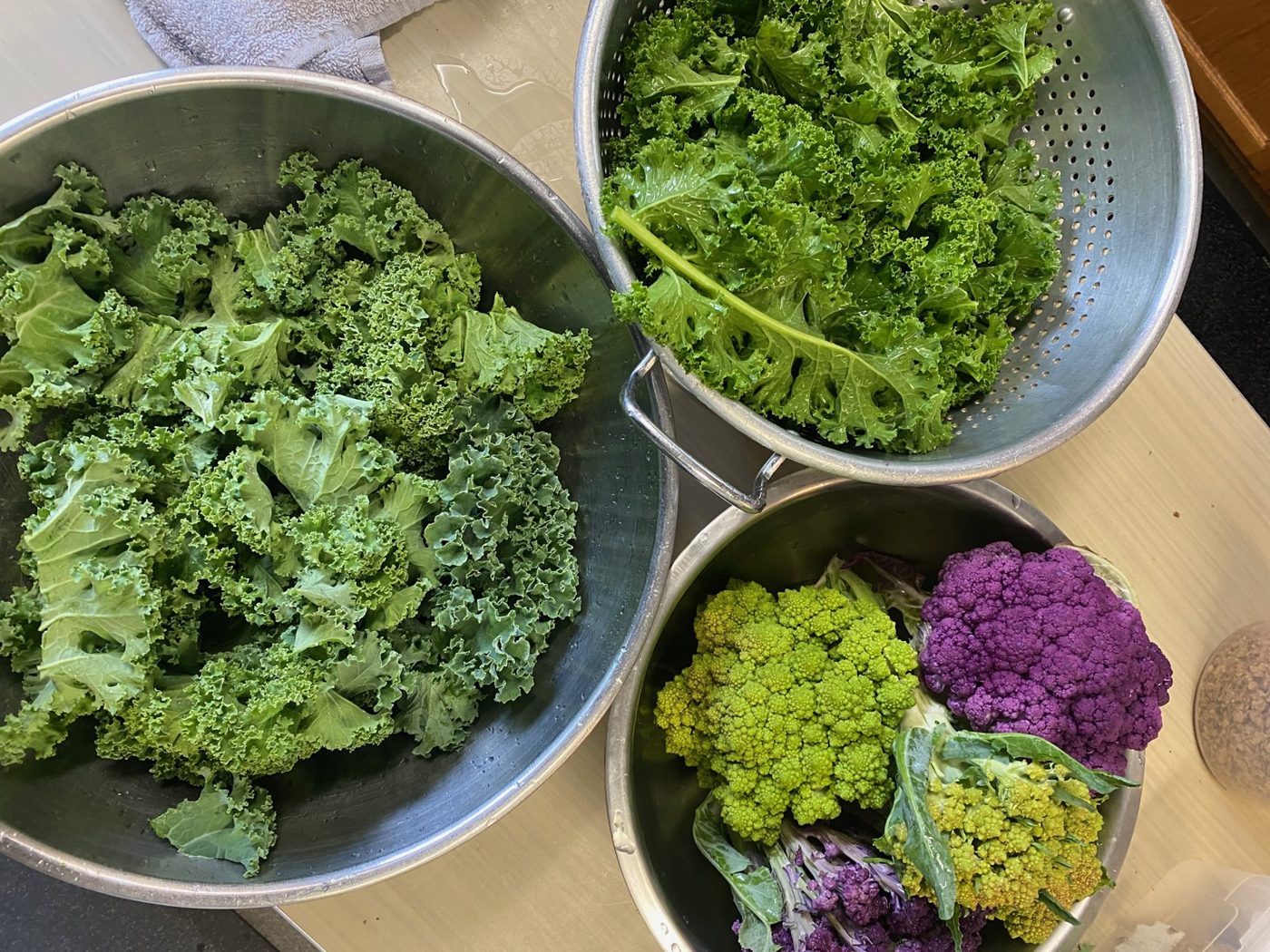
- Cook together. A child who washed the kale is curious about how it tastes.
From our kitchen
A squash on the counter
This month a winter squash sits on our counter long before anyone cooks it. Children knock on it, try to lift it and guess what is inside. That waiting is part of the cooking. By the time we cut it open, the squash is already a friend.
Where our food comes from
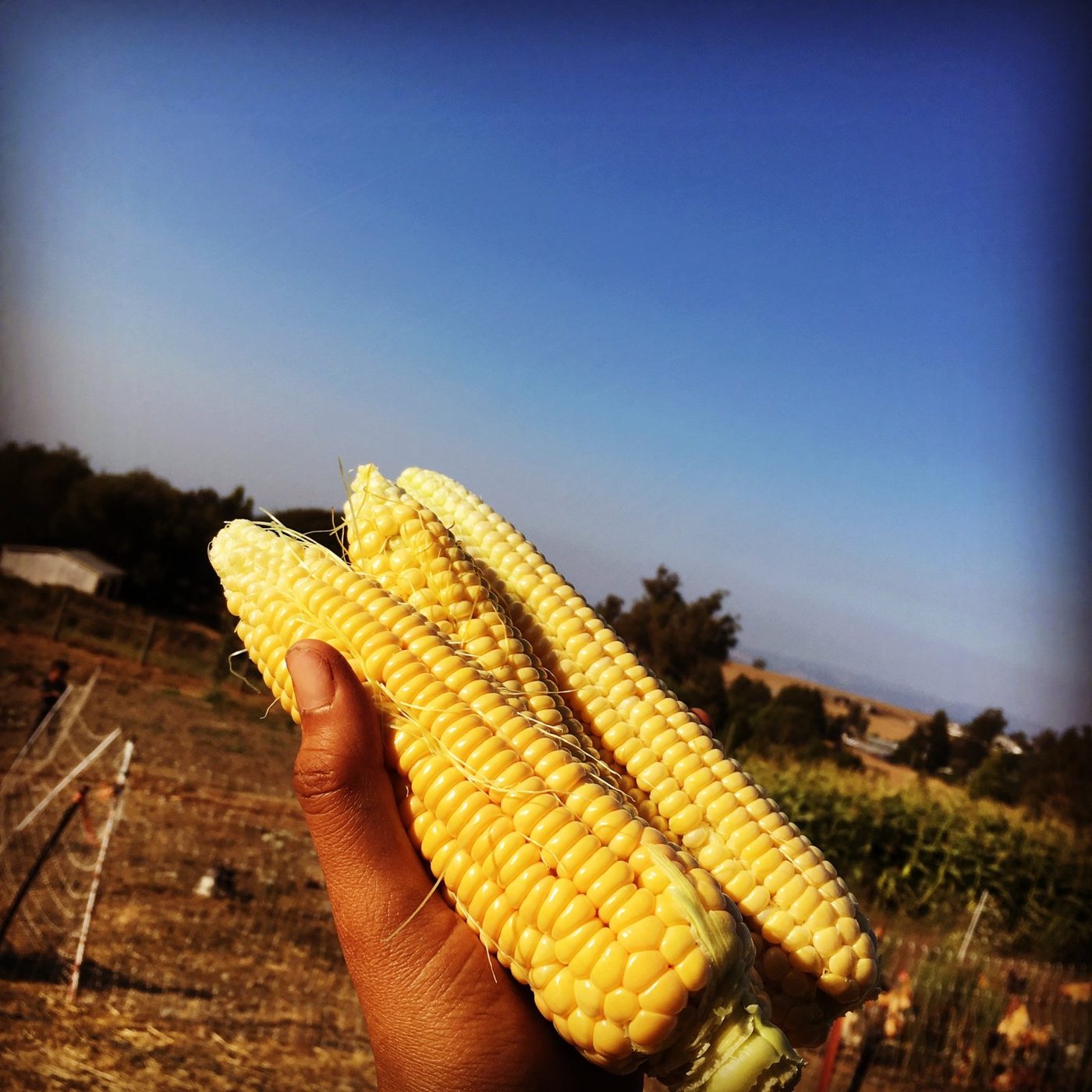
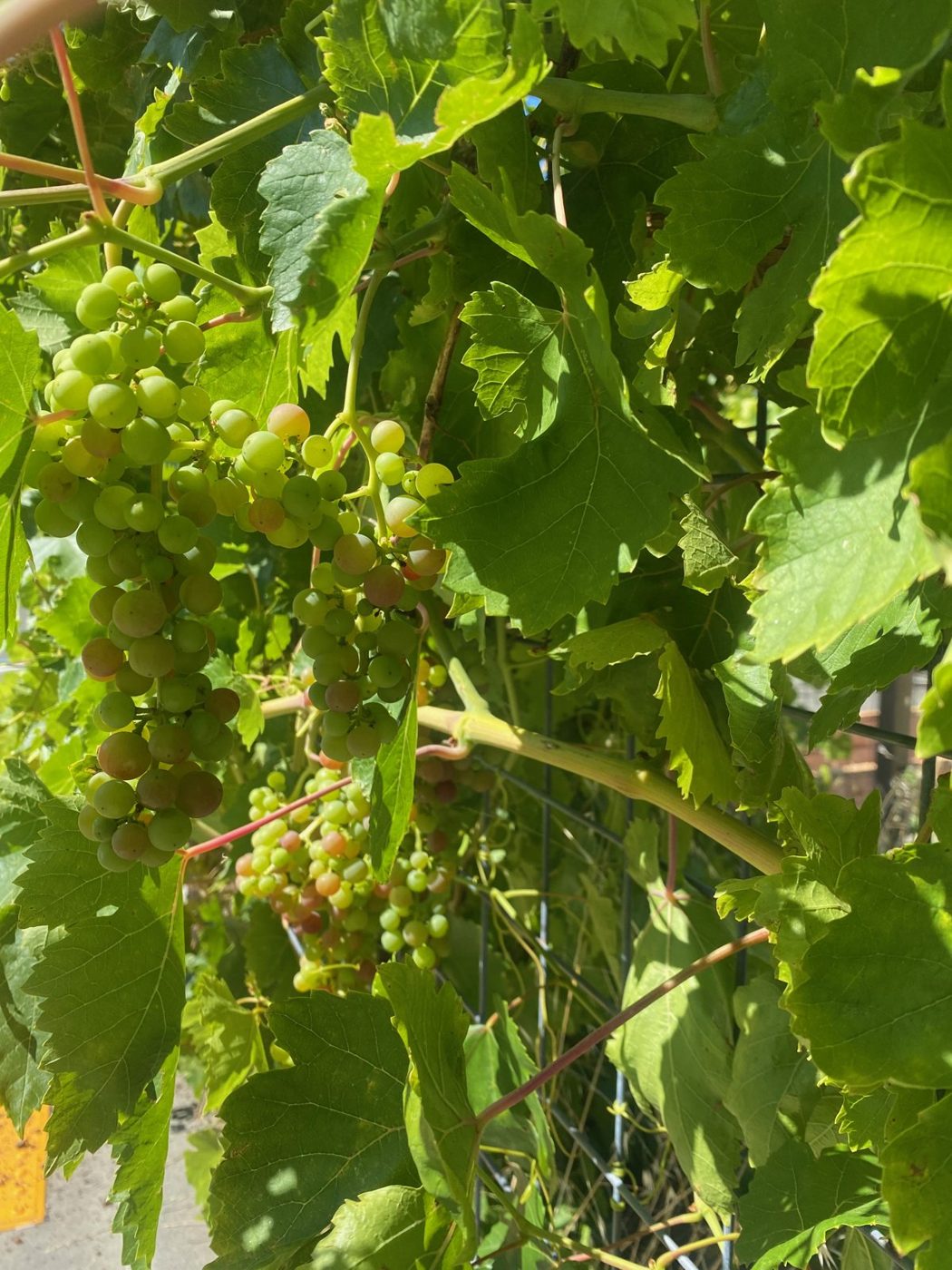
Cooking starts before the kitchen. A morning picking at a farm, a weekly produce box, a pot of herbs on a windowsill or the market on Saturday all show children where food grows and who grows it. Every recipe here names its season and the produce at its center.
Every recipe, guide and card set
Members open the full recipe library, every guide and every card set to print, with new recipes each season. Card sets can also be bought on their own.
$10 a month or $79 a year.